Industry: Construction

AI automation for construction in Melbourne

Construction compliance software for Melbourne builders. Your ITPs, SWMS, site diaries, subcontractor certificates and the nine surviving copies of SITE_REGISTER_FINAL_v7_USE_THIS_ONE.xlsx, turned into one structured, validated register you can hand to a building surveyor without doing that little nervous laugh first.

Fixed-price discovery. You see the scope and the cost before anything is built.

  • Building Act 1993
  • Building Regulations 2018
  • OHS Regulations 2017
  • National Construction Code

Talk to a human in Melbourne

Get your site paperwork looked at

Tell us what your ITPs, SWMS and site diaries look like today and we will tell you straight whether we can help.

    A real person reads every enquiry.

    Quick answer

    Construction compliance software, also sold as AI automation for construction, is the use of software agents to handle the repeatable half of site and project administration: reading incoming documents, classifying them, extracting the fields that matter, checking those fields against the rules that govern them, routing the failures to a person, and keeping a register that is queryable instead of merely stored.

    In Melbourne that means the paperwork attached to the Building Act 1993, the Building Regulations 2018 and the OHS Regulations 2017. Engineering judgment, safety decisions and statutory sign-off stay with your registered people. The filing does not need to, and that is the whole job of construction compliance software.

    The actual problem

    Nobody got into construction for the document control

    We are a Melbourne automation company, so we are contractually obliged to have loud opinions about coffee. We do not. We will, however, defend the Bunnings sausage sizzle in writing, at length, to anyone who asks. Mention it at a discovery meeting and you will lose forty minutes.

    Ask a site manager what they trained for and you will hear about sequencing, temporary works and keeping eleven trades from colliding on a slab. Ask what they actually did last Tuesday and you will hear about chasing a waterproofing certificate from a subcontractor who has three phone numbers, all of which go to the same voicemail.

    This is the part of the job that nobody photographs for the company website. It is also, quietly, the part that decides whether your handover goes smoothly or turns into a four-week archaeology project across an inbox, a shared drive and someone's ute glovebox.

    The paperwork is not the problem. The paperwork is the evidence, and evidence is the whole point. The problem is that it lives in eleven places, in four formats, under nine filenames, and only one person really knows which copy is current. [Switches to serious face] When that person is on annual leave and a surveyor asks a question, that is not a filing inconvenience. That is a programme risk, and it is the gap construction compliance software exists to close.

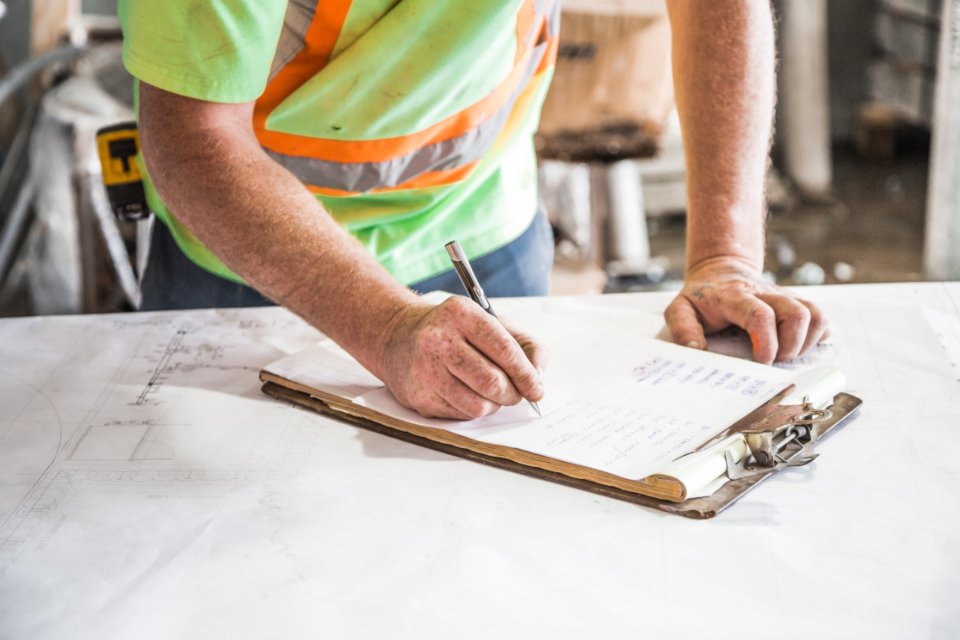
    Construction supervisor in a hi-vis vest filling in a paper compliance checklist on a clipboard
    The clipboard is not the enemy. The eleventh transcription of what was on the clipboard is.

    What we automate

    Six places construction compliance software has to look

    These are the document flows we see most often on Melbourne projects. Each one is extraction and checking work, which is the half a machine is genuinely good at. None of them is judgment, which is the half it is not.

    01

    Inspection and test plans

    ITPs come back as photos of signed forms, PDFs, and occasionally a scan so crooked it looks like modern art. Every hold point, witness point and sign-off is read, typed and checked against the plan it belongs to.

    02

    Subcontractor compliance packs

    Licences, insurances, SWMS and inductions, with expiry dates that are actually tracked rather than discovered. The system tells you a certificate lapses next month instead of telling you it lapsed last March.

    03

    Site diaries and daily records

    Weather, labour, plant, delays and variations pulled out of free text into a structured daily record. Useful on an ordinary Tuesday; extremely useful eighteen months later during an extension-of-time claim.

    04

    Defects and QA registers

    Photos, locations, trades and close-out evidence held together as one record, so a defect and the proof it was fixed do not live in two different systems that have never been introduced.

    05

    Material and delivery dockets

    Delivery dockets, batch records and conformance certificates matched to the right lot and the right pour, instead of matched to whichever pile they landed in.

    06

    Handover and O&M packs

    The certificates, warranties and as-builts a handover needs, assembled continuously as the job runs rather than reconstructed in a panic during the last fortnight.

    Yellow hard hat, work gloves and rolled drawings laid out on a timber workbench
    Every one of these flows starts as something physical: a form, a photo, a signature, a docket in a glovebox.

    Before and after

    The same job, minus the archaeology

    Nothing here changes what you build or who signs it off. It changes how long it takes to prove what you did. Construction compliance software only ever touches the proving.

    Before

    • SITE_REGISTER_FINAL_v7_USE_THIS_ONE.xlsx, emailed around, with three people confident they hold the current version.
    • Certificate expiries found during an audit rather than before one.
    • Evidence spread across an inbox, a shared drive, a WhatsApp group and a phone camera roll.
    • Handover assembled in the last fortnight by whoever is least able to say no.
    • A question from the building surveyor that takes two days and four phone calls to answer.

    After

    • One register, one current version, with every change attributed and timestamped.
    • Expiry dates tracked as data, so the warning arrives before the lapse does.
    • Every value linked back to the page and photo it came from, one click away.
    • Handover pack assembled continuously as the job runs, because the data was structured on the way in.
    • The same question answered from the register while the surveyor is still on the phone.
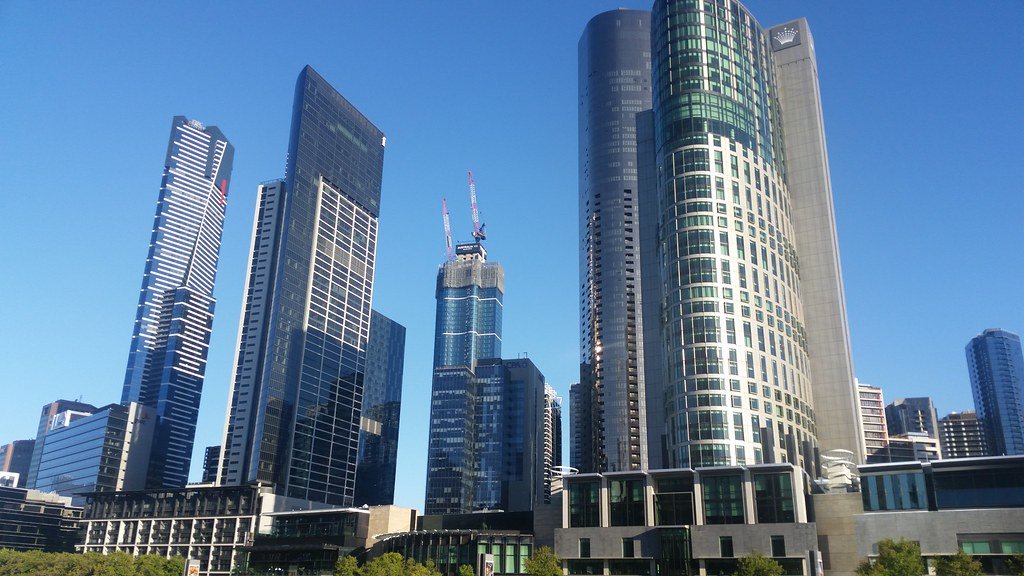
    Melbourne CBD skyline in daylight with construction cranes rising between the towers
    Melbourne CBD. The cranes are the easy part.

    Melbourne and Victoria

    Built for the Victorian frameworks, not a generic template

    Victorian construction compliance changed shape recently. On 1 July 2025 the Victorian Building Authority was abolished and its functions moved into the Building and Plumbing Commission, which now sits across licensing, enforcement, insurance and dispute resolution as a single regulator. Any automation that still refers to the VBA is telling you how old it is.

    Under the Building Act 1993 and the Building Regulations 2018, prescribed stages of building work must be notified to the relevant building surveyor, who must then cause the work to be inspected before it is covered up. The MI-01 practice note sets out how those notifications and inspections are expected to run, and the most common disciplinary trigger is simple: the builder did not notify, and the work proceeded past the stage anyway.

    On the safety side, the OHS Regulations 2017 require a safe work method statement to be prepared before high-risk construction work starts, and reviewed when the process changes, when a control is not working, or when a new hazard appears. A SWMS that was correct at mobilisation and never revisited is a document, not a control.

    None of this is work construction compliance software should be making decisions about. All of it is work that software should be tracking, versioning and evidencing, so the people who do make those decisions can find what they need immediately. That is the line we build to.

    How it works

    Five steps, and one of them is us being told no

    Construction compliance software earns its keep in the order of operations. Validating before storing is the difference between a register you can defend and a very fast way to fill a database with the wrong numbers.

    Discovery, fixed price

    We map the document flows you actually run, not the ones on the org chart, and write down what could be automated, what should not be, and what it costs. The output is yours to keep whether or not you continue.

    Extraction

    AI agents read the incoming documents: scans, photos, PDFs, email attachments, the lot. Fields come out typed rather than as a wall of text.

    Validation

    Every field is checked against the rules that govern it before it reaches your register. If a rule cannot be checked, the record is flagged. It is never assumed.

    Exception and sign-off

    Anything that fails routes to a named person with a timestamp. Accountability stays inside your organisation, which is where a regulator expects to find it.

    Register and export

    The result is a queryable register and an evidence pack in the shape your reporting already expects, exported into the systems you run today.
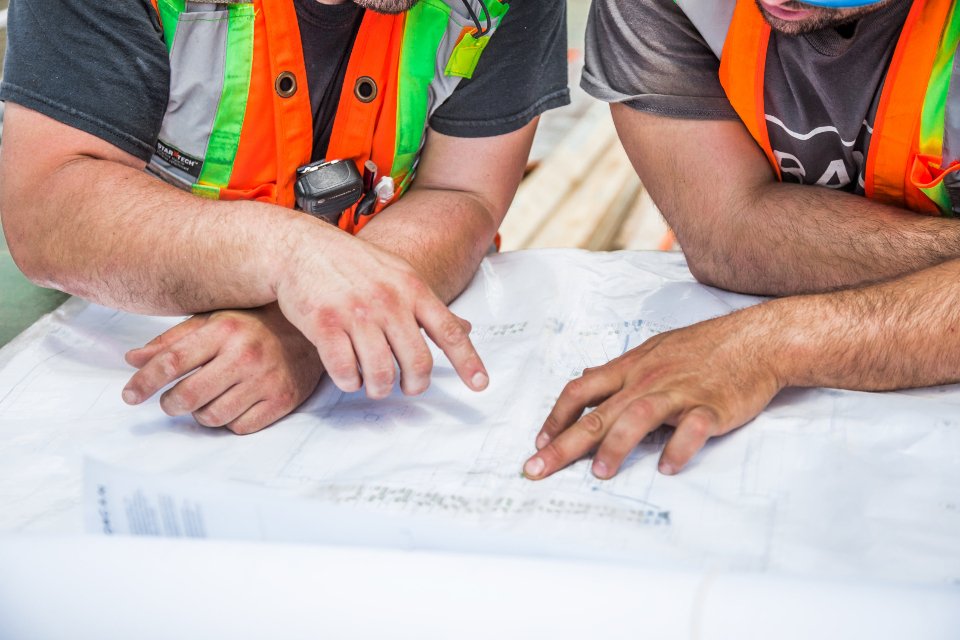
    Two construction workers in hi-vis vests reviewing marked-up building plans on site
    Step four is the one people underrate: the system is allowed to say "I am not sure about this one".

    What you get

    From paperwork to a register you can defend

    Every construction compliance software engagement produces the same shape of output, whatever the document flow it started from. Notably absent from this list: a spreadsheet with a version number in its filename.
    Structured registerQueryable, not a filing cabinet
    Validation trailRule by rule, per field
    Source linkingEvery value back to its page
    Exception queueFailures routed to a person
    Reviewer sign-offNamed and timestamped
    System exportInto the tools you already run
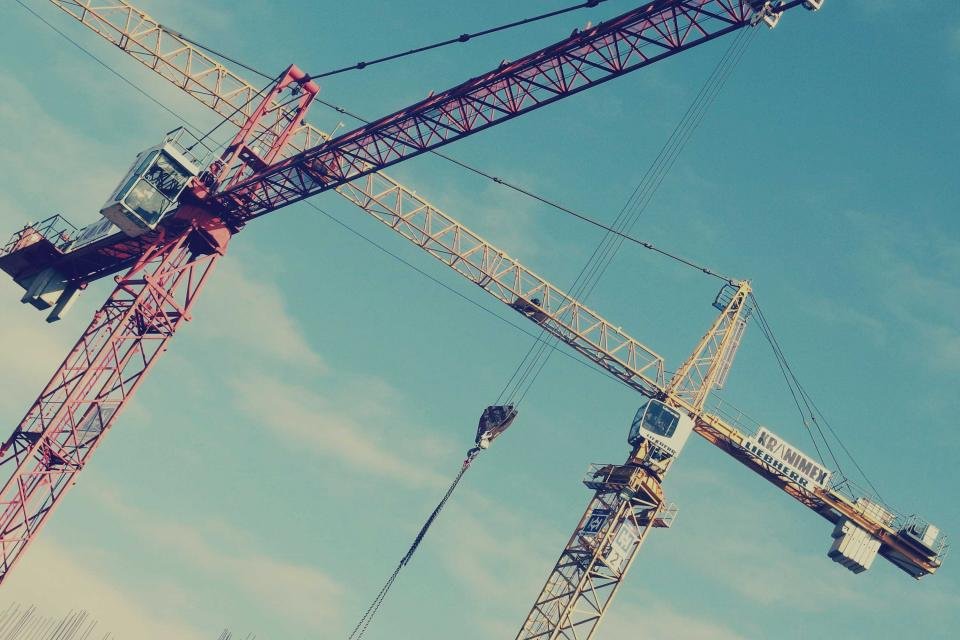
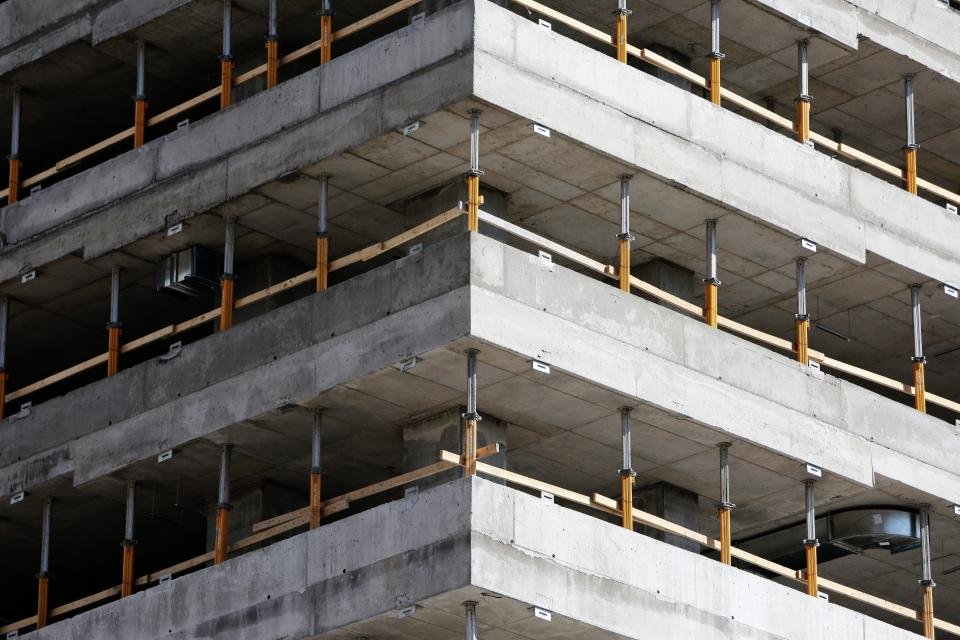
    Multi-storey reinforced concrete structure under construction showing repeating floor plates
    Reinforcement, formwork, pour, inspection, sign-off. The sequence is well understood. The paperwork proving you followed it is where projects come unstuck.

    Why construction is different

    Speed is not what gets checked

    Most construction compliance software is sold on speed. On a construction job that is the wrong pitch, because speed is not what a building surveyor, a principal contractor's auditor or an insurer actually checks. They check whether the evidence exists, whether it is current, and whether you can show where it came from.

    So we build for evidence first and speed second. It turns out that when the evidence is structured properly, the speed shows up anyway, you just do not have to lead with it. Nobody has ever been congratulated for filing the wrong number very quickly.

    Validation

    Nothing reaches your register without passing the rules that govern it. If a rule cannot be checked, the record is flagged, never assumed.

    Traceability

    Every extracted value stays linked to its source page or photo. When a surveyor or an auditor asks where a number came from, the answer is one click away.

    Oversight

    A person signs off. The software structures and validates. Judgment and accountability stay inside your organisation.

    Honesty

    We would rather publish the commitments that shape how we build than metrics you cannot verify. You can hold us to these.

    Questions

    Frequently asked questions

    What is construction compliance software?

    Construction compliance software, also sold as AI automation for construction, handles the repeatable half of project and site administration: reading incoming documents, classifying them, extracting the fields that matter, validating those fields against the rules that govern them, routing exceptions to a person, and maintaining a structured register. It does not make engineering, safety or statutory decisions. Those stay with your registered and qualified people.

    Does this replace our site managers, engineers or building surveyor?

    No, and any vendor who says otherwise is selling you a future compliance problem. The judgment work (sequencing, temporary works design, safety decisions, compliance assessment, the statutory decision to issue or refuse) is exactly the work that has to stay with a named, accountable human. What we remove is the transcription, the chasing and the version control.

    Which Victorian regulations does this need to account for?

    Most Melbourne construction document work sits against the Building Act 1993 and the Building Regulations 2018, administered by the Building and Plumbing Commission since it replaced the Victorian Building Authority on 1 July 2025; the OHS Regulations 2017 for safe work method statements and high-risk construction work; and the National Construction Code for the technical requirements underneath. We build the validation rules against the framework your obligation actually sits under, rather than a generic template.

    Will it work with the systems we already run?

    That is the intent. The output is a structured register plus exports in the shape your reporting already expects, pushed into the tools you use today. We would rather integrate with the software your team has already learned than ask a site team to adopt a twelfth login.

    Our records are photos of paper forms. Is that a problem?

    It is extremely normal and it is not a blocker. Photographed forms, crooked scans, PDFs and email attachments are the usual input. What matters is that once a value is extracted it stays linked to the image it came from, so the original is always one click away when someone asks.

    How does an engagement start?

    With a fixed-price discovery phase. We map the document flows you actually run, write down what could be automated and what should not be, and tell you what a build would cost. You see the scope and the price before committing to anything larger, and the discovery output is yours to keep either way.

    Next step

    Find out where your project week actually goes

    A fixed-price discovery, a written build plan you can take to your board, and no commitment to anything larger until you have read it. Worst case, you get an honest map of your own document flows and we part as friends. Best case, you also get the sausage sizzle argument, free of charge and whether or not you wanted it.

    Melbourne-based construction compliance software, built for site-shaped problems across regulated Australian industries.