Industry

AI automation for regulated industries, built for the paperwork you actually have

Every regulated industry has its own forms, its own regulator and its own acronym soup. The paperwork is different. The problem is identical: proving what happened, in the right order, with evidence somebody else will accept. That is the job we build for, and the only job we build for.

Fixed-price discovery. You see the scope and the cost before anything gets built.

  • Construction
  • Waste and resource recovery
  • Building surveying
  • Melbourne, Victoria
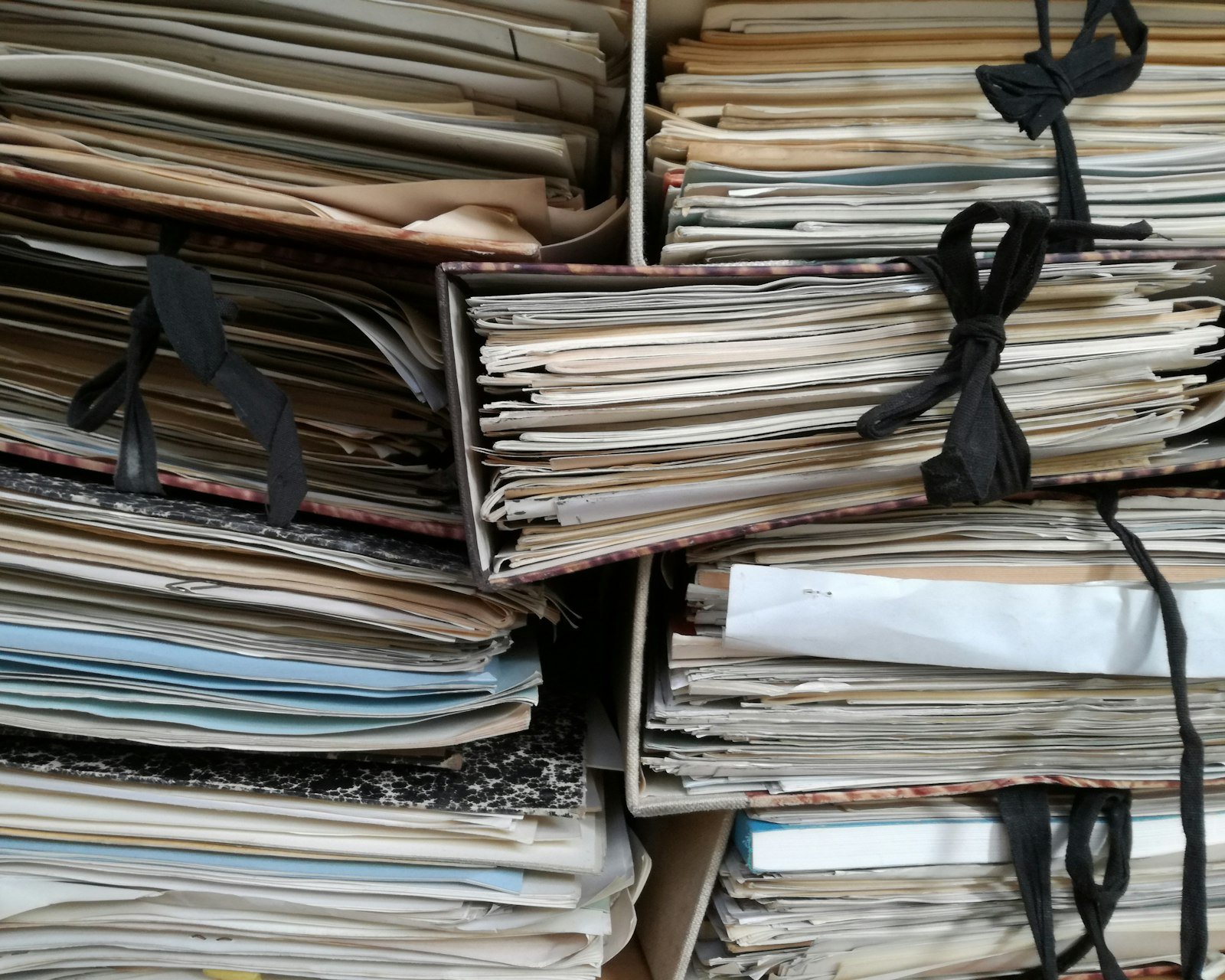
Bundles of tied paper records stacked in an archive, the kind of backlog AI automation for regulated industries is built to clear
Melbourne, Victoria built for the frameworks Victorian operators actually answer to, not adapted from an overseas product.

The common thread

Where AI automation for regulated industries actually earns its keep

These four failures turn up in every industry we work in. The nouns change. The failure does not. Whether the rulebook is the Building Act 1993 or the Environment Protection Act 2017, the evidence goes missing the same four ways.

01

It arrives as a photo of a piece of paper

A docket, a signed form, a safe work method statement. Someone photographs it on a phone, emails it, and it becomes an attachment nobody can search. The information is technically captured and practically gone.

02

The register is a spreadsheet with opinions

It works, right up until two people open it. Then there are versions, and the version with the correct data is not the version with the recent date.

03

The evidence exists, but not in order

You have everything the reviewer wants. It is spread across an inbox, a shared drive and somebody's ute. Assembling it takes three days you did not schedule, which is exactly when a general environmental duty question tends to arrive.

04

One person knows how it all fits

They are excellent. They are also on leave, and the process left with them. This is the risk nobody puts on a risk register.

How it works

What AI automation for regulated industries looks like in practice

Not a platform you have to migrate to. A process that reads what you already produce and gives back something a reviewer will accept.

01

It reads what you already have

Photographed dockets, scanned certificates, PDFs, forms filled in by hand on a windy site. We start with your real documents in their real condition, not a clean sample chosen to make a demo work.

02

It checks against your actual rules

Every industry has its own tests. Dates in sequence, signatures present, a certificate that has not quietly expired. The validation is written against the framework you answer to, not a generic template.

03

It flags rather than guesses

When a document is ambiguous, the honest answer is to say so. Anything uncertain is escalated to a person instead of being silently filled in. Confident wrong answers are worse than no answer in regulated work.

The output is a register: searchable, ordered, and exportable. When somebody asks what happened on a given date, the answer takes a search rather than an afternoon of archaeology.

Not on the list

Your industry is not here yet

That is not a polite no. The underlying build is the same: read the documents, validate them against the rules that apply to you, and produce a register that holds up. If your work runs on regulated paperwork and a deadline, the shape is familiar even when the acronyms are not. Tell us what you are drowning in and we will tell you honestly whether we are the right fit.

Next step

Send us the worst document you own

The faded docket. The form with handwriting on three axes. We will tell you what we could extract from it, what we could not, and what it would take. No slides.